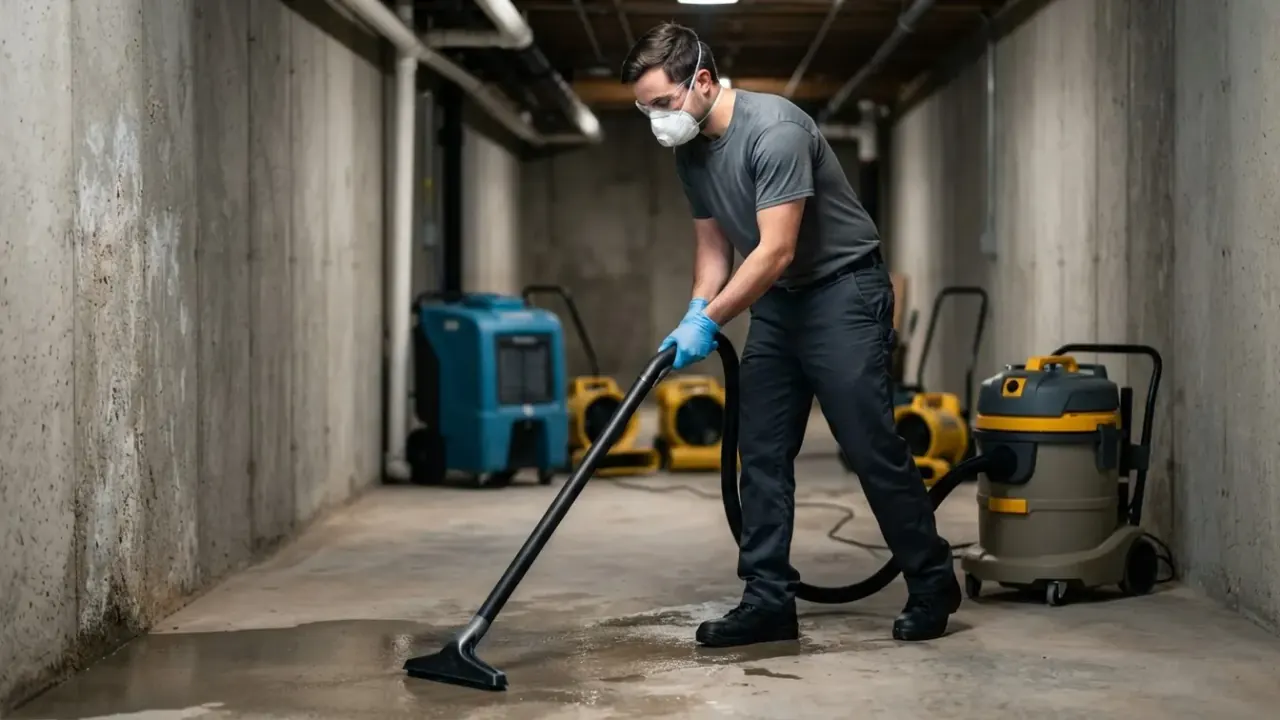
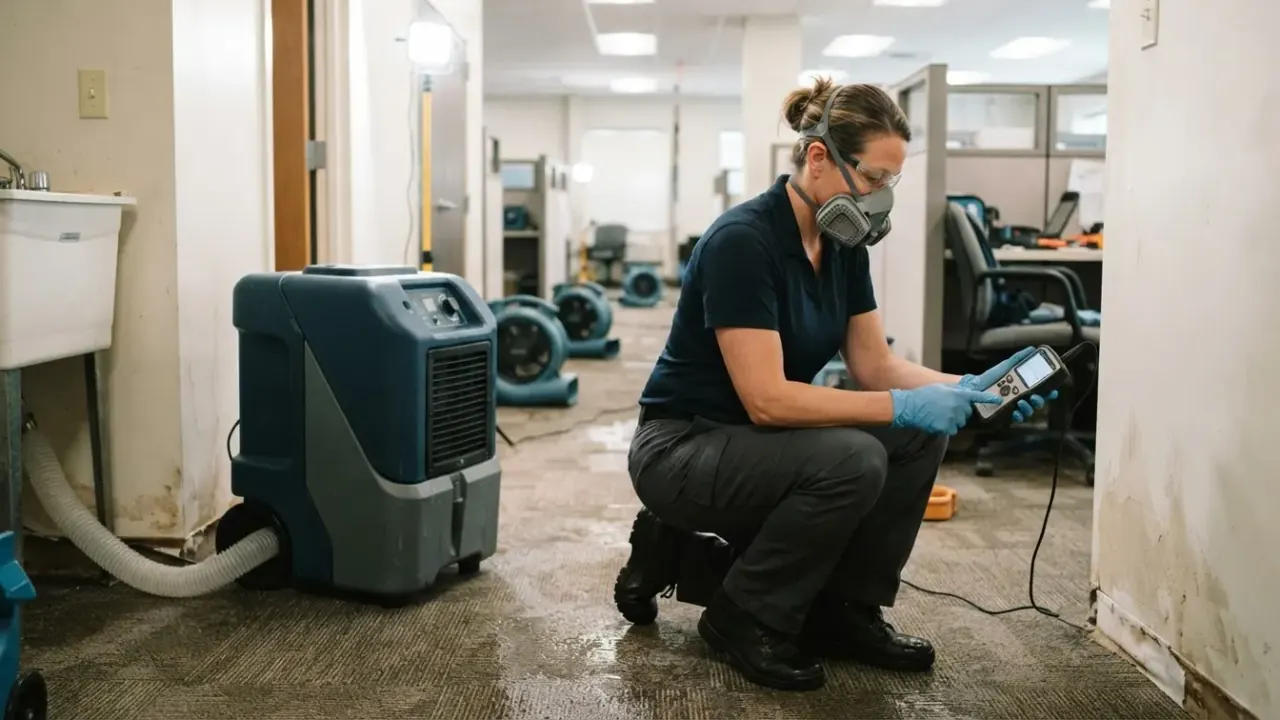
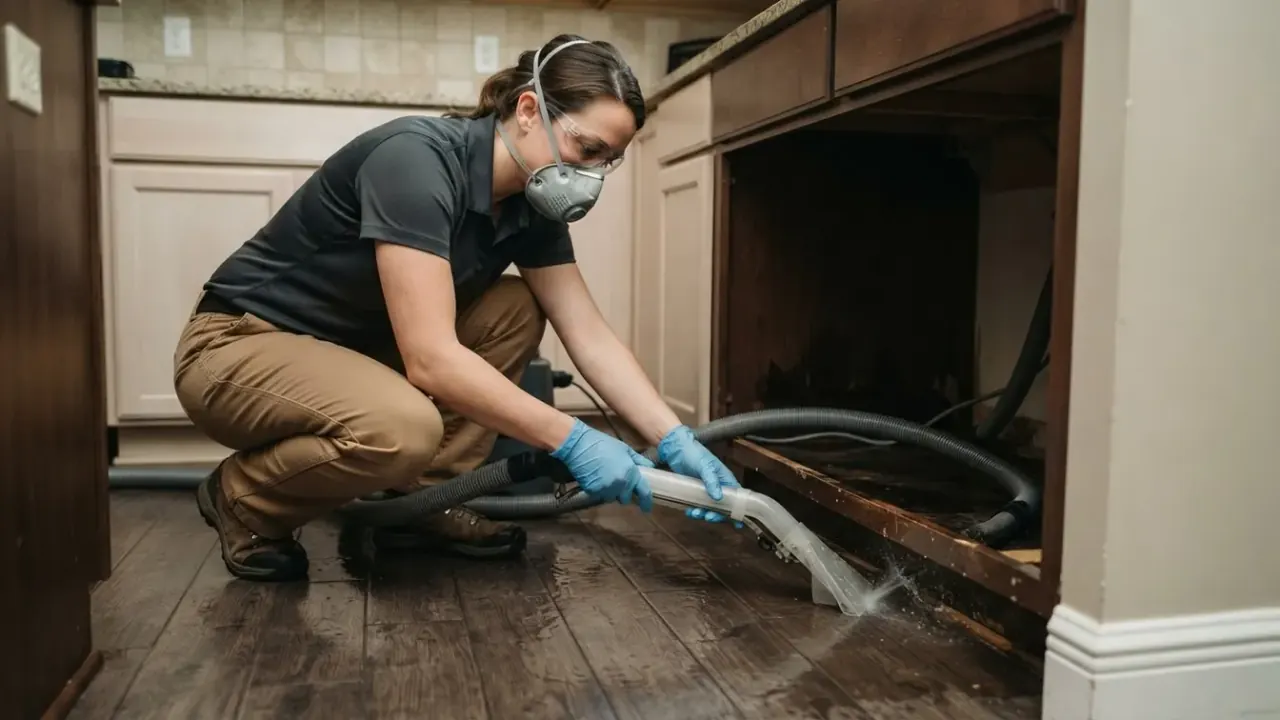
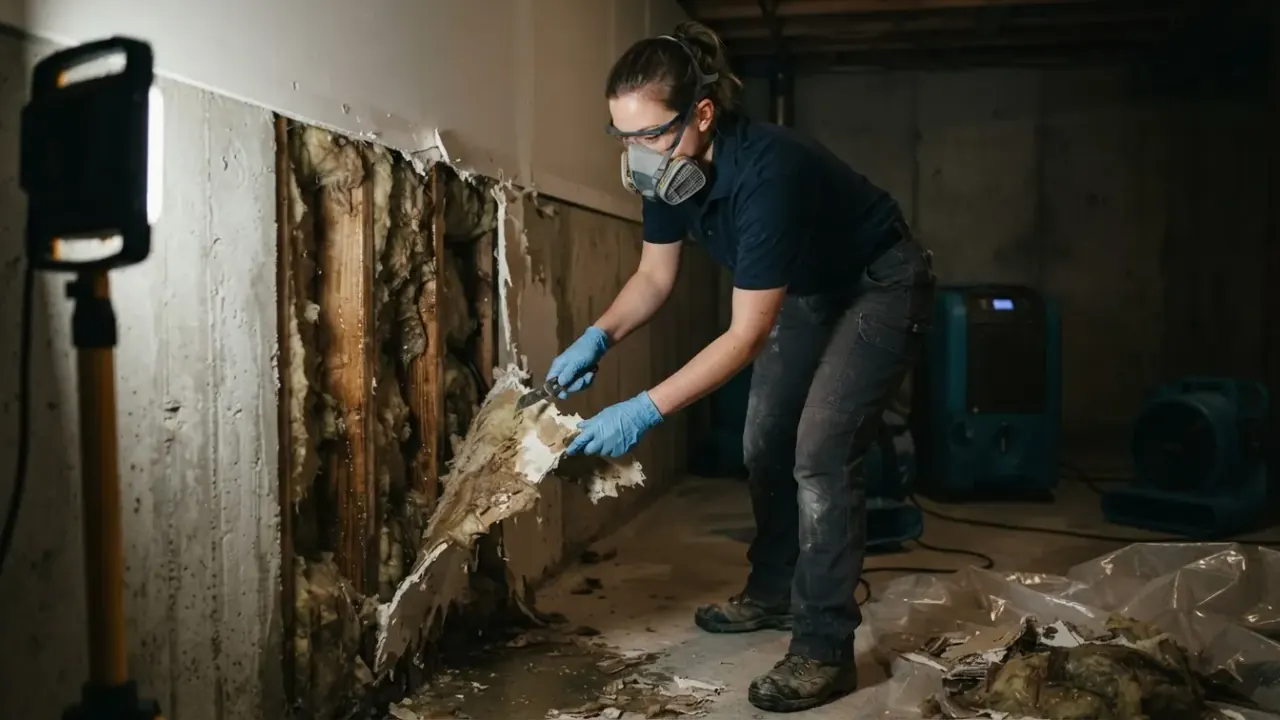
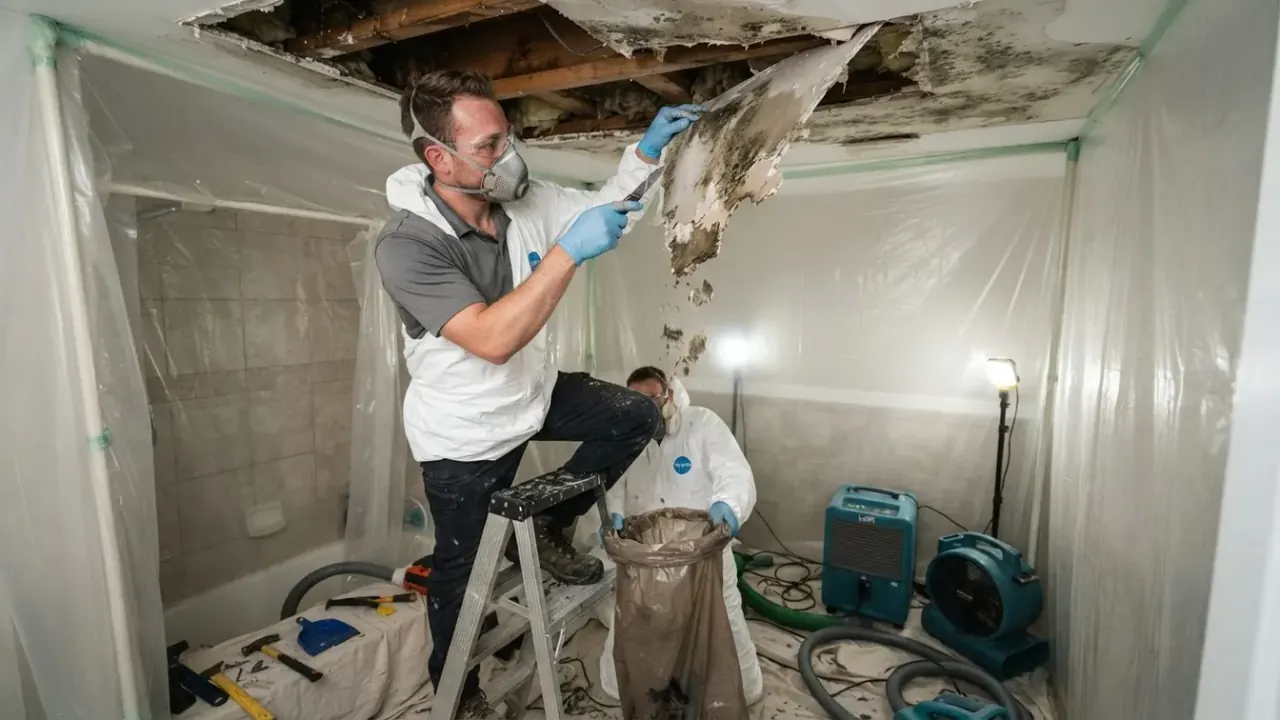
Repairs come last — after extraction, after drying, after readings say the structure is dry. Then damaged drywall, flooring and finishes are rebuilt properly.
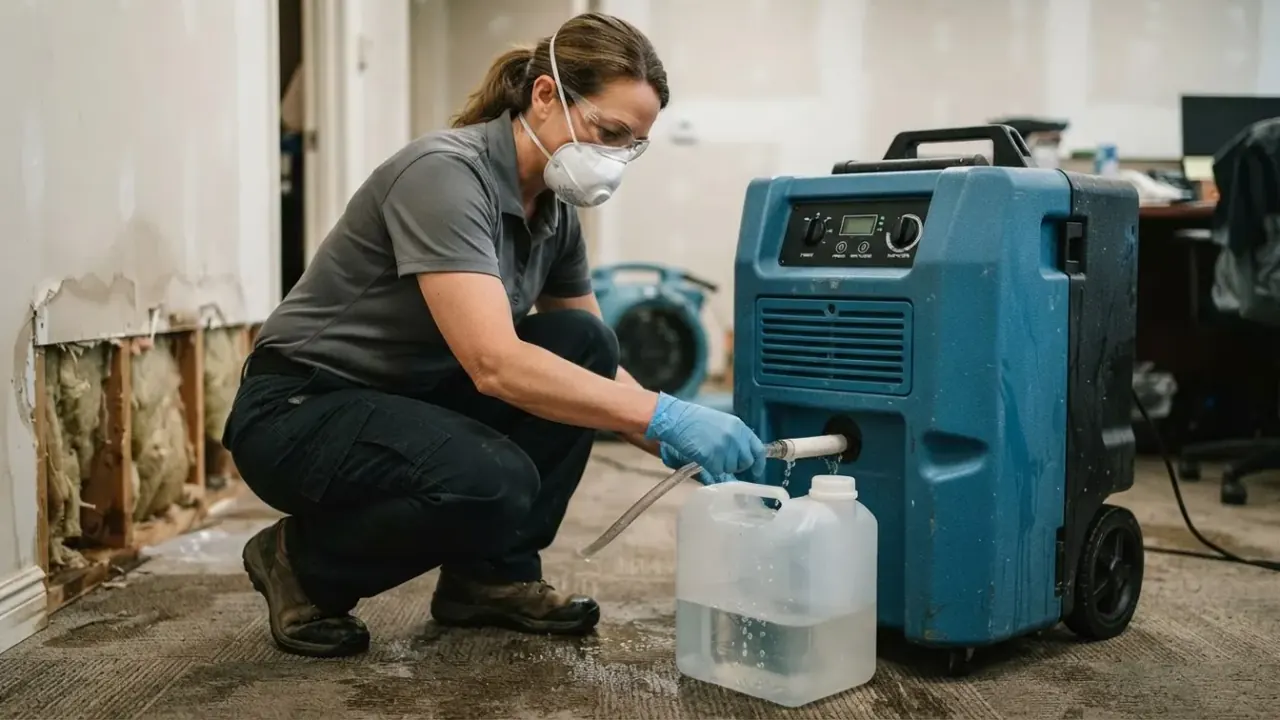
Restoration dries and saves what can be saved. Repair and rebuild replace what could not be: the drywall section cut to dry a cavity, the warped boards, the swollen cabinet base, the ruined insulation.
In Flagstaff, repair lists follow the seasons' damage — burst-pipe drywall and floors in winter, flood-cut lower walls after monsoon, slow-leak repairs in older downtown homes. Every rebuild on this page stands on a dry sign-off; building over wet structure is how repairs fail.
Dry first, build second. A repair is only as good as the readings underneath it.
What it is
Replacing water-damaged materials and finishes after the structure is verified dry.
When it happens
After extraction and drying are complete and documented — never before.
What to expect
A written scope tied to the damage record, then rebuild, then a walkthrough.
How does the repair process work?
From damage record to finished room, in the order that keeps repairs from failing.
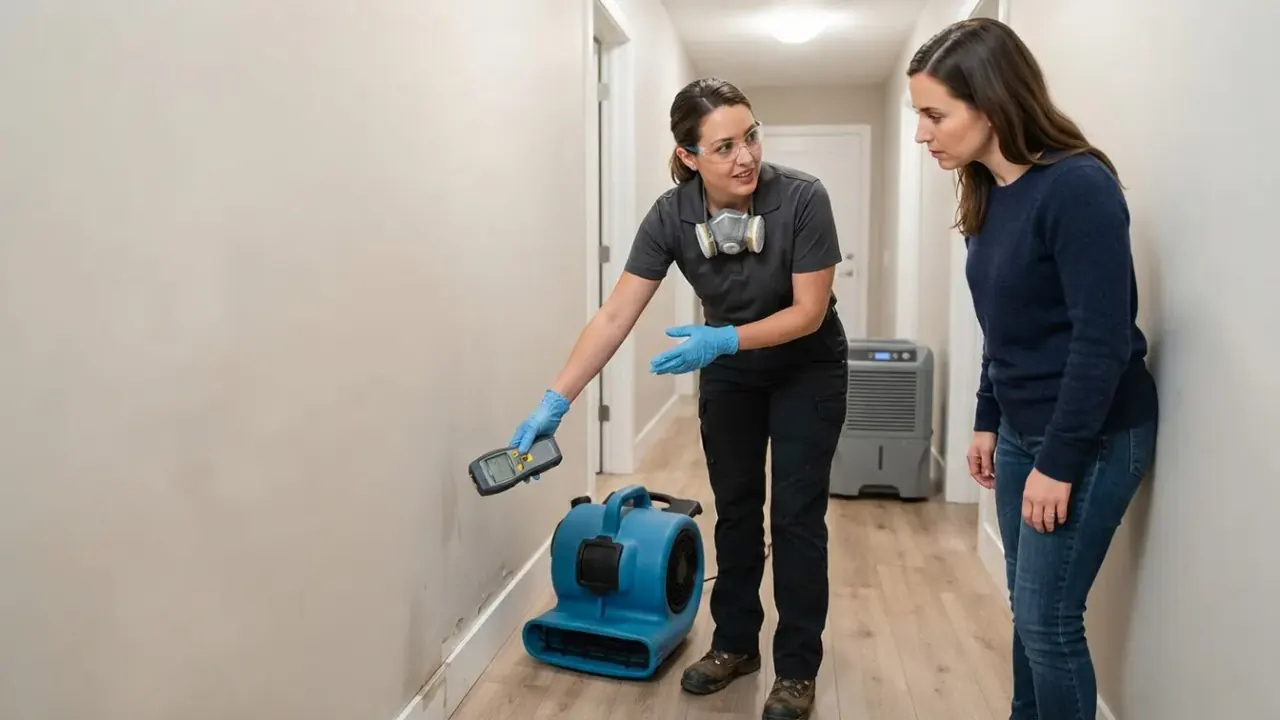
Review the damage record
The repair scope is built from the extraction photos, the removal list and the drying log. Nothing is scoped from memory.
Damage record
Removal list
Drying log
Confirm dry
Final moisture readings are checked for every material being closed up. Wet readings pause the rebuild, not the calendar.
Final readings
Dry targets
Sign-off
Rebuild structure and surfaces
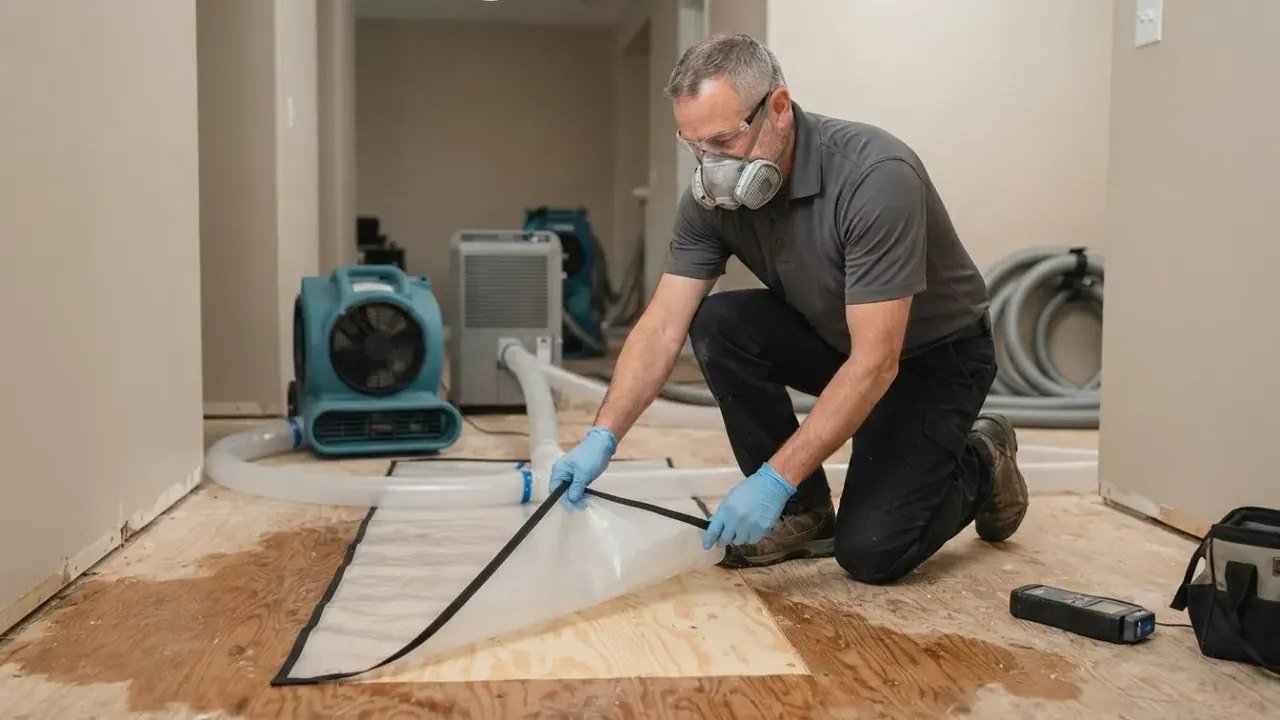
Insulation, drywall and subfloor repairs come first, in the order they were built originally.
Insulation
Drywall
Subfloor
Fit flooring and trim
Flooring is laid on dry subfloor; baseboards and trim follow. Doors and cabinets damaged by water are repaired or noted for replacement.
Flooring
Trim
Doors
Paint and walkthrough
Finishes are completed and the room is walked with you against the scope. The job file closes with the final record.
Paint
Walkthrough
Job file
What does repair work use?
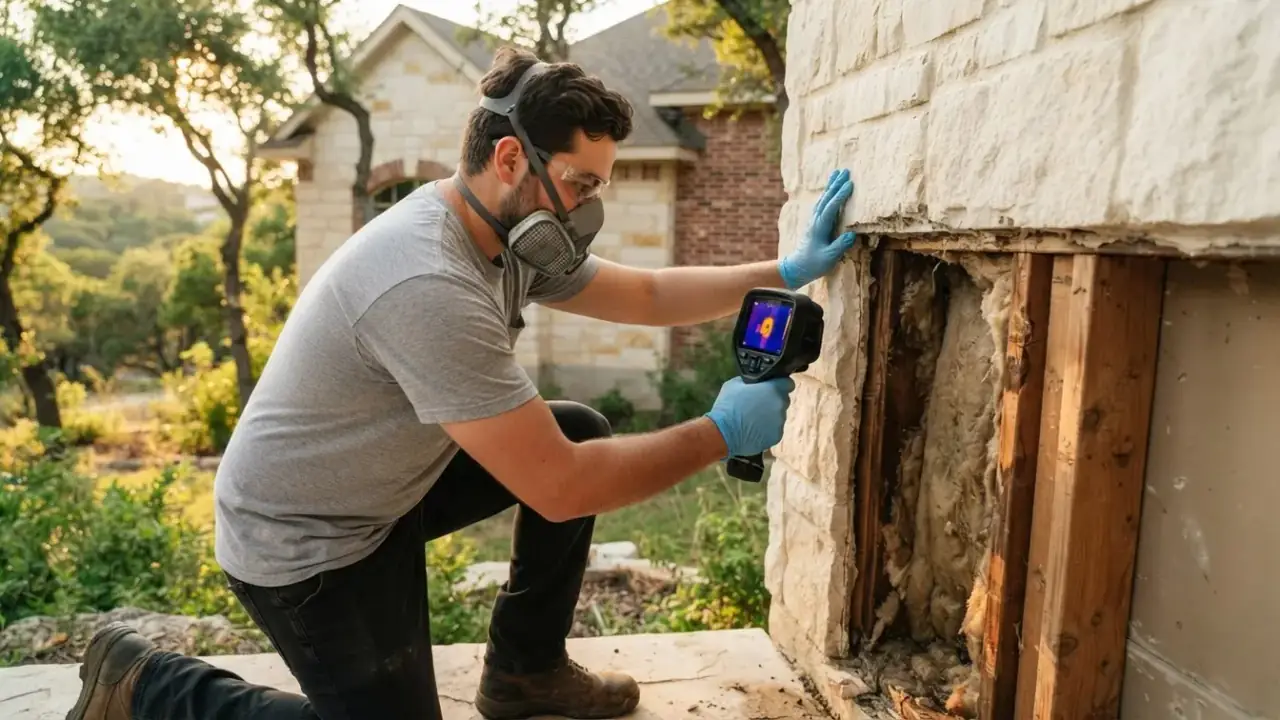
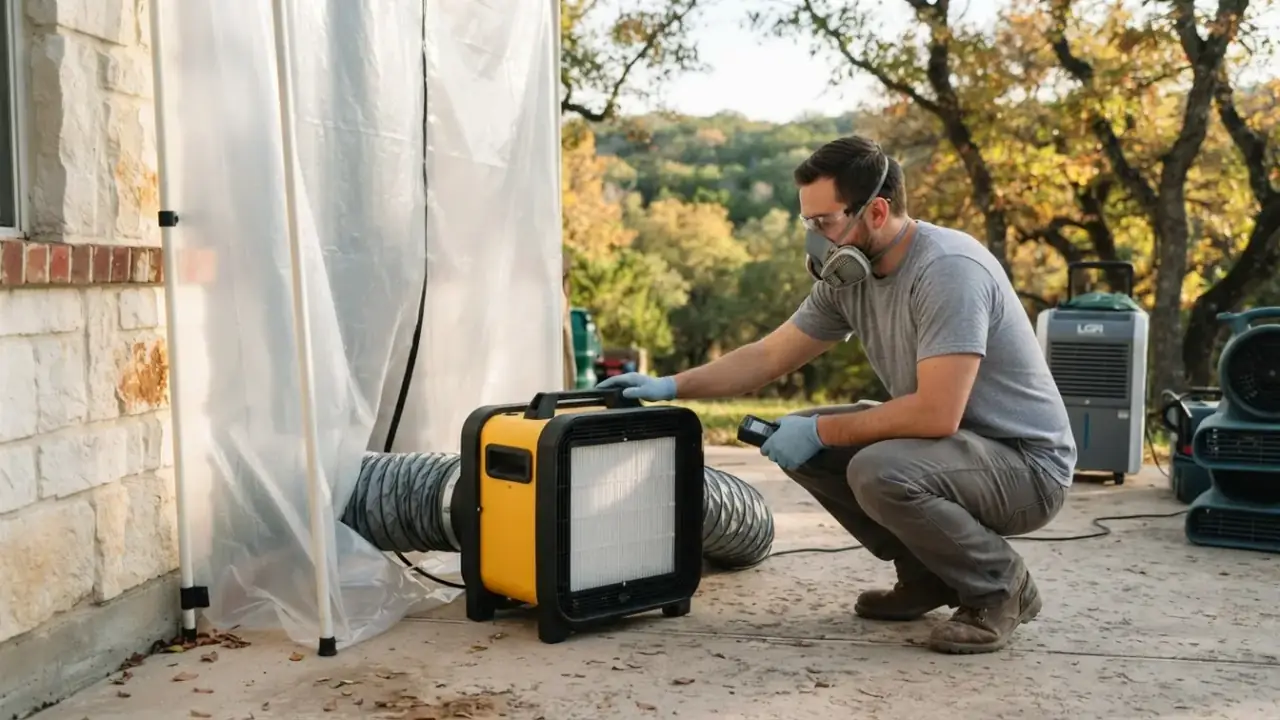
Move across a circle, or focus it and press Enter, for an illustrative thermal view of the photograph.
Moisture meters
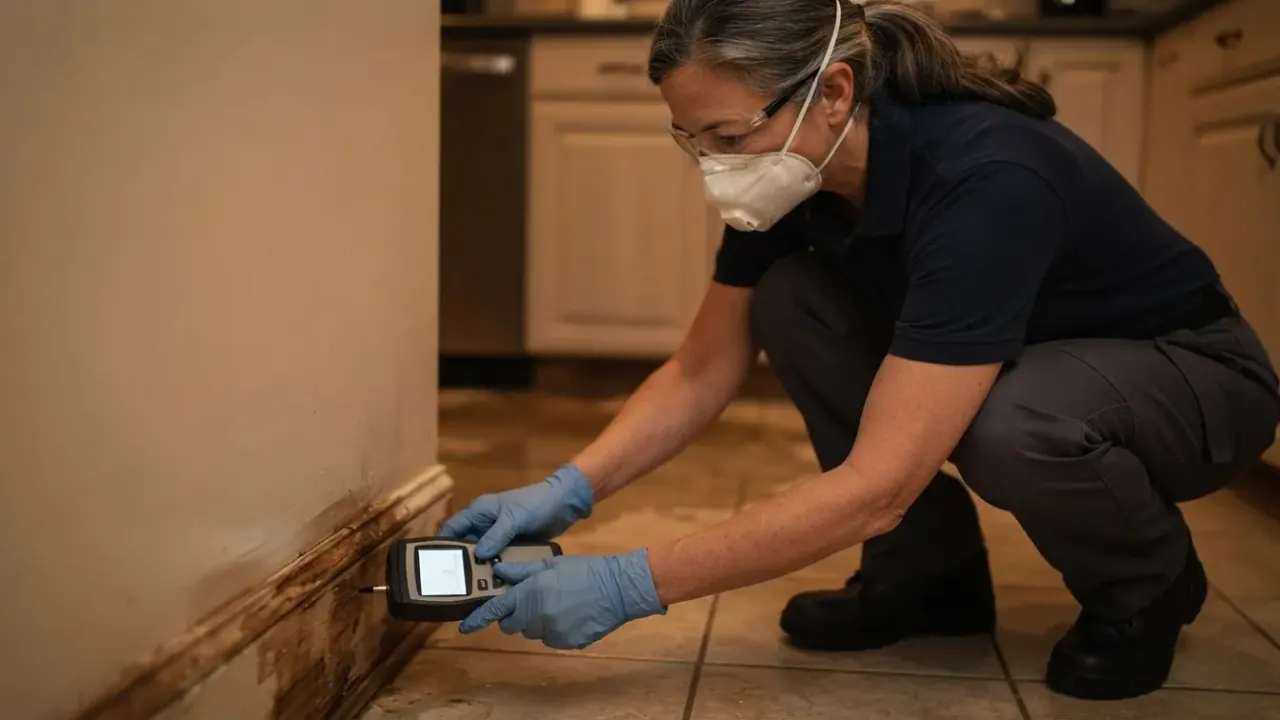
Still the first tool of the repair visit. Every surface being closed is read before new material covers it.
Drywall and finishing tools
For replacing sections removed in drying — cut, hung, taped and finished to match surrounding walls.
Flooring tools
Board replacement, laminate sectioning and subfloor repair need the floor system assessed as a whole, not board by board.
Matching swatches and records
Photos from before the damage guide finish matching. Where an exact match no longer exists, options are shown before work starts.
Thermal views are illustrative, generated from the photographs.
Methods
Scope-from-record method
The repair list is generated from the documented damage, not a walk-through guess. That is what keeps change orders rare.
Dry-gated building
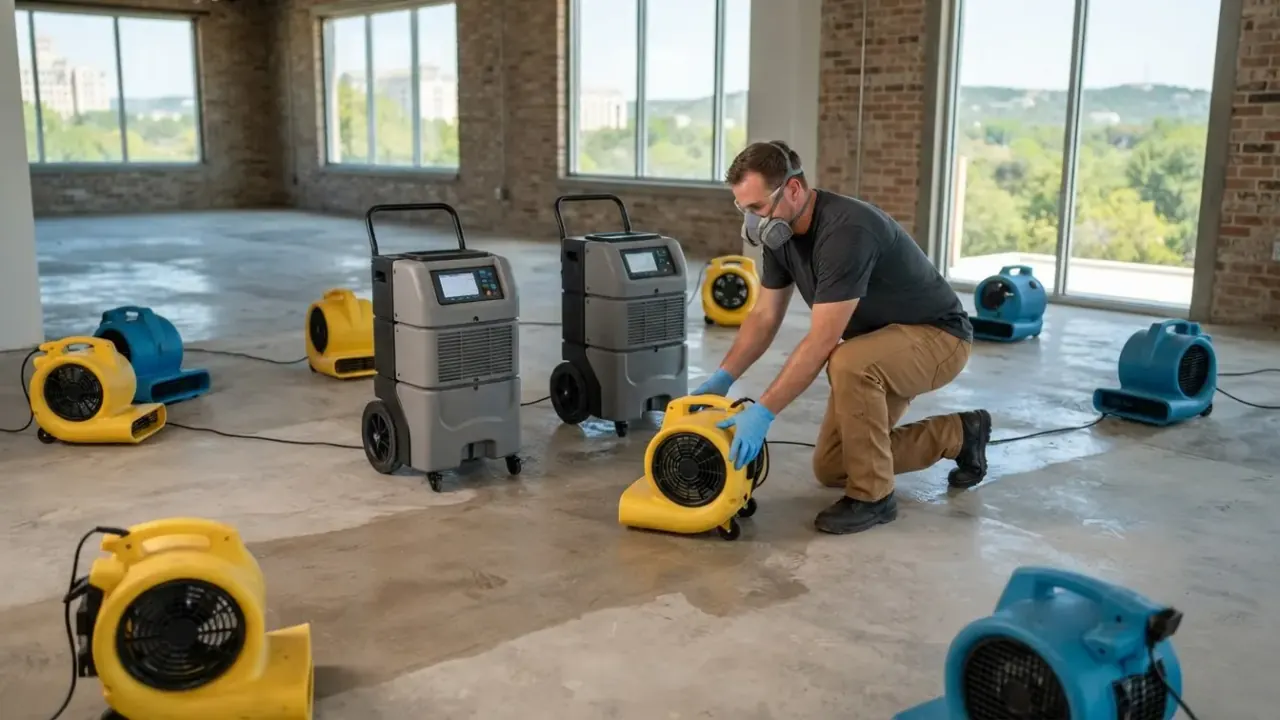
Each layer waits for the layer beneath to read dry. It is slower by days and cheaper by years.
Match-or-declare finishes
Finishes are matched where materials allow. Where they do not — discontinued flooring is common — the closest option is agreed before installation.
DowntownSunnysideKachina Village
Repairs in Flagstaff homes: what we rebuild most
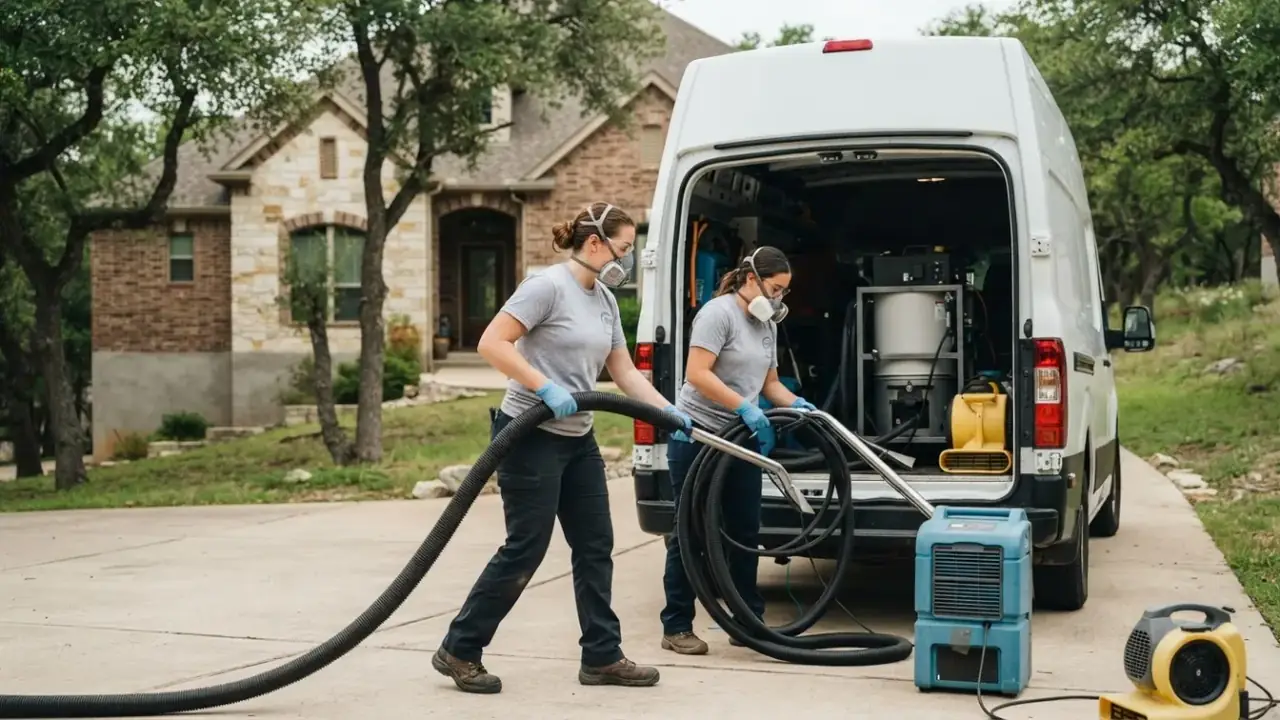
Flagstaff's housing mix shapes its repair work. Downtown's early-1900s homes mix plaster, old timber and later drywall additions; Sunnyside's flood history means lower-wall rebuilds after monsoon; Kachina Village second homes need repairs sequenced around owners who are away. Materials and methods follow the house, not a template.
Downtown: Historic stock — plaster repair, old-growth trim and layered renovations need house-by-house decisions.
Sunnyside: Flood-cut drywall (the lower section removed after flooding) is the standard monsoon rebuild.
Kachina Village: Vacation-home repairs from winter bursts, coordinated while owners are out of town.
Lower walls and floors: The two most common repair items after Flagstaff water events of every kind.
Cabinets and vanities: Particle-board bases swell beyond saving; solid wood often dries and stays.
We scope repairs from the damage record and drying log.
Dry readings are confirmed before anything is closed up.
The finished room is walked with you against the scope.
Repair or replace? How the call is made
IllustrativeThe thermal view is generated from the photograph. It is not a measurement. Drag the handle, or use the arrow keys once it is focused.
Drywall
Repair: Sections that were cut for drying, or small areas damaged at the surface.
Replace: Drywall that soaked floodwater, crumbled, or grew mold through the paper face.
The decision is recorded in the scope with the reason, material by material.
Wood flooring
Repair: Individual boards or sections where moisture readings and flatness check out.
Replace: Areas cupped, delaminated or over wet subfloor that also failed.
Subfloor readings decide as much as the boards you can see.
Cabinets and trim
Repair: Solid-wood trim and cabinet frames that dried flat and sound.
Replace: Swollen particle-board bases and delaminated panels.
Swelling does not reverse with drying — that is a material fact, not a sales line.
What problems does proper repair solve?
A rebuild done in the right order closes the water event for good. Done out of order, it hides it.
Hidden damp sealed inRepairs over wet structureNew drywall and flooring over wet framing trap moisture where mold grows unseen. Dry-gating every layer prevents it.
Finishes that fail earlyPaint blisters, floors liftFinishes fail on damp substrates within months. Verified-dry substrates are what make paint and flooring warranties meaningful.
Scopes that keep growingGuesswork becomes change ordersA scope written from the damage record names the work once. Surprises shrink to genuinely hidden conditions.
Why rebuild with the drying record?
The team that dried your home holds the map of what was wet. Repairs scoped from that map fit the actual damage.
Nothing rebuilt twice
Dry-gated layers do not come back off. The order — dry, verify, build — is the whole trick.
A scope you can check
Every repair line ties to a photo or a reading in your job file. Ask about any line and the record answers.
Finishes matched honestly
Matches are shown before installation. Where a material is discontinued, you choose the alternative — no surprises at walkthrough.
One job file, start to finish
Extraction, drying and repair records live in one file for insurers, buyers and your own reference.
What a written scope covers.
What a written repair scope covers and what shapes it. For how restoration costs are built, see our water damage cost guide.
Included
Drywall and insulation replacement listed by room
Flooring and subfloor work listed by area
Trim, baseboard and paint finishes
Cabinet or vanity work where scoped
Dry sign-off readings attached to the scope
Final walkthrough against the written scope
Depends on
How much material was removed during drying
Whether floodwater or clean water caused the damage
Based in Flagstaff at 2051 E Huntington Dr, covering neighborhoods across the city. These are areas we serve — call to confirm your street.
Sunnyside
Mount Elden Estates
Downtown
Southside
Doney Park
Kachina Village
Mountainaire
Fort Valley
Frequently Asked Questions
In most cases, yes. Materials that dried in time are kept; ruined sections — soaked drywall, warped flooring, swollen cabinets — are replaced. Very little residential water damage is beyond repair once the source is fixed and the structure is dry; what changes is how much must be rebuilt rather than dried.
The repair work itself is usually straightforward carpentry and finishing. The difficult part is sequencing: repairs must wait for verified drying, and hidden damage inside walls can extend the scope. A scope written from the damage record, with dry readings attached, keeps the difficulty honest and visible.
In order: stop the source, extract the water, dry the structure to verified readings, then repair or replace what was ruined. Skipping the drying verification is the most common cause of failed repairs — mold behind new drywall and flooring that lifts within the year.
If it is not dried and repaired properly: mold growth inside walls, warped or rotting wood, weakened drywall and subfloors, and finishes that keep failing. In Flagstaff, a second winter problem follows the first — a damp, unheated home is more likely to freeze pipes again. Correct drying and repair close those risks off.
Tell us what happened and where the water is. Calling is fastest when water is standing — reach us at (928) 766-1764, or send the form and we will take it from there.